
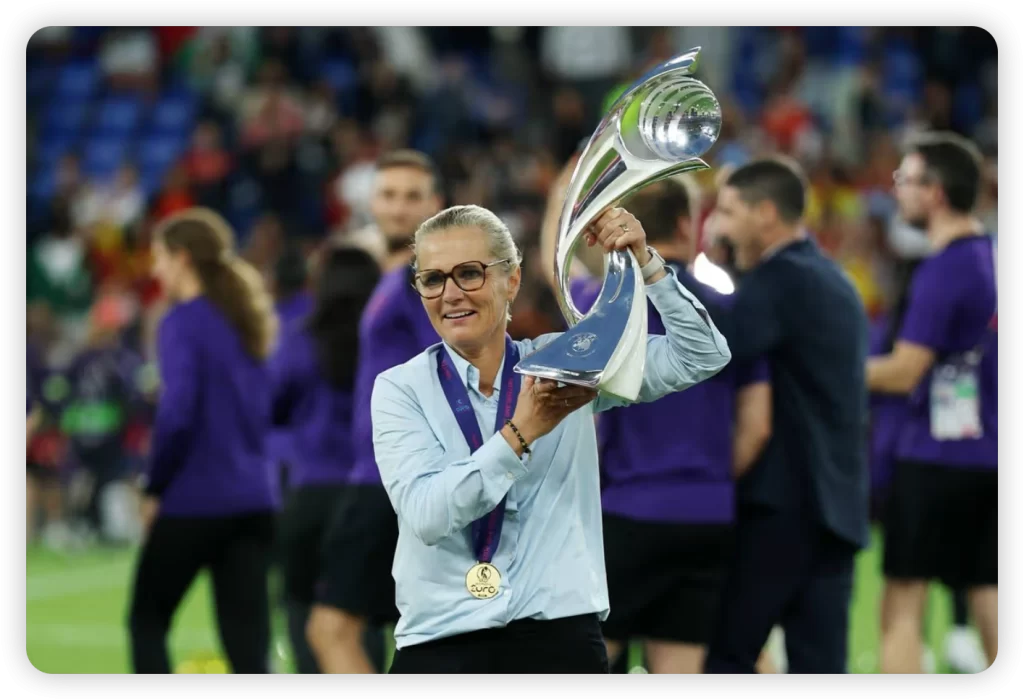
The England women’s national football team has made remarkable strides in recent years, capturing the hearts of fans worldwide. However, one pressing issue remains: the lack of racial diversity within the squad. Head coach Sarina Wiegman has openly expressed her hopes for a more inclusive future, while former Lionesses defender Anita Asante calls for systemic reforms to create better pathways for underrepresented communities.
The Current Landscape of Diversity in Women’s Football
At Euro 2022, England’s starting XI against Austria featured an all-white lineup, sparking conversations about representation in the women’s game. Out of the 23-player squad, only three came from Black, Asian, or mixed-heritage backgrounds. This disparity highlights a broader issue in elite women’s football—access and opportunity for players from diverse communities.
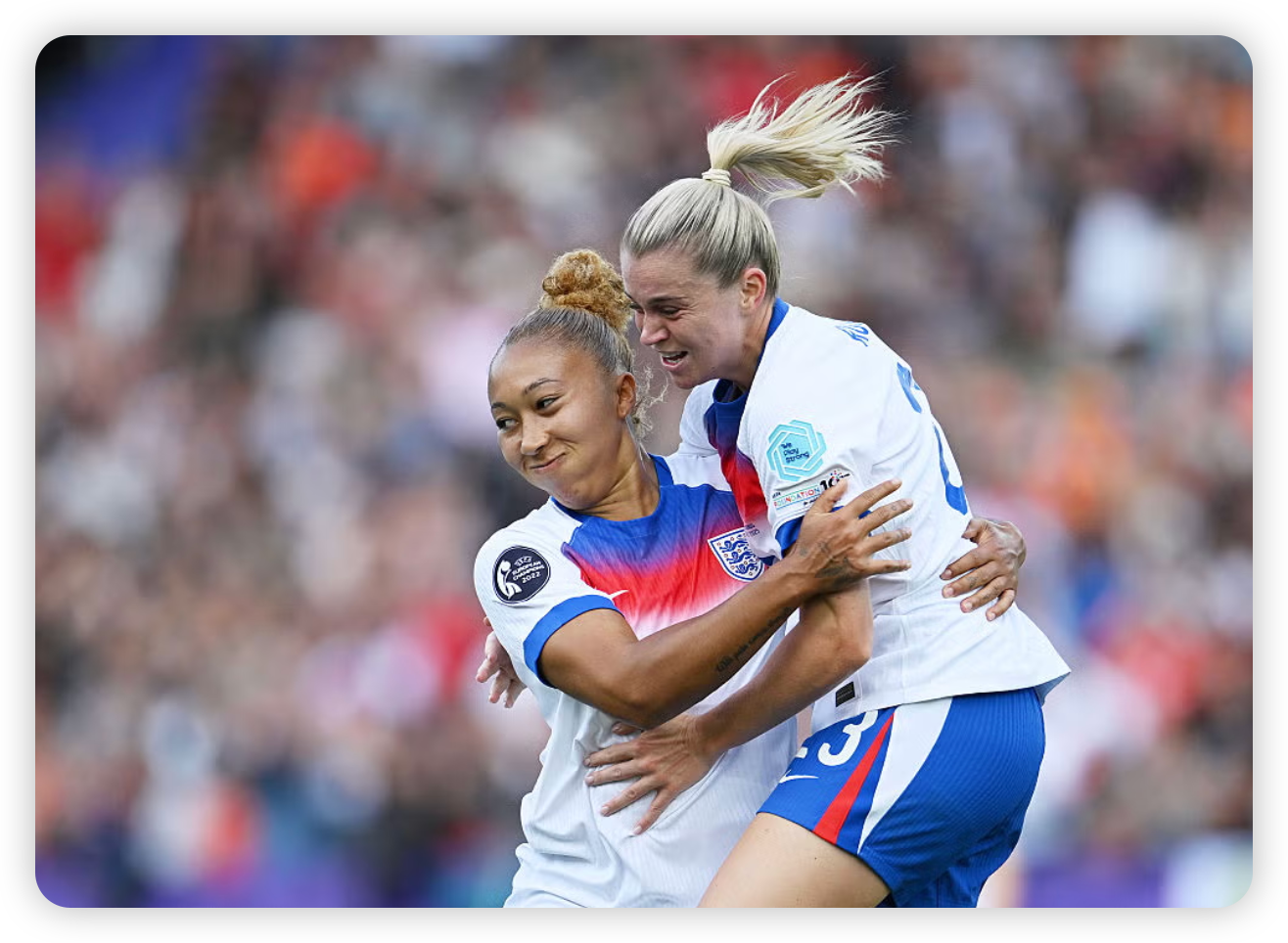
Anita Asante’s Call for Change
Anita Asante, now a first-team coach at Bristol City, has been vocal about the structural barriers preventing greater diversity. In The Guardian, she wrote:
“Young girls who cannot see anyone who looks like them lack heroines to emulate—and that matters.”
Asante advocates for:
- Improved scouting networks in urban and inner-city areas.
- Better accessibility to training facilities, which are often located in suburban areas.
- Increased investment in grassroots programs to nurture diverse talent.
Anita Asante pushes for structural reforms to enhance diversity in women’s football.
The FA’s Commitment to Inclusion
The Football Association (FA) has acknowledged the issue and introduced initiatives to foster diversity:
- Emerging Talent Centres for girls aged 8-16.
- “Discover My Talent” program to identify and support underrepresented players.
- Peer-to-peer mentoring through the PFA’s “See It Achieve It” campaign.
FA director Baroness Sue Campbell admits that meaningful change may take years, but the groundwork is being laid.
How Does England Compare to Other Nations?
Research by Leon Mann MBE reveals stark contrasts:
- Men’s Euro 2020: 42% of England’s squad were Black or mixed-heritage.
- Women’s Super League (WSL): Only 9.7% of players come from diverse backgrounds.
- Euro 2022 squads: Germany (2 diverse players), Iceland (1), Belgium (1), Austria (0).
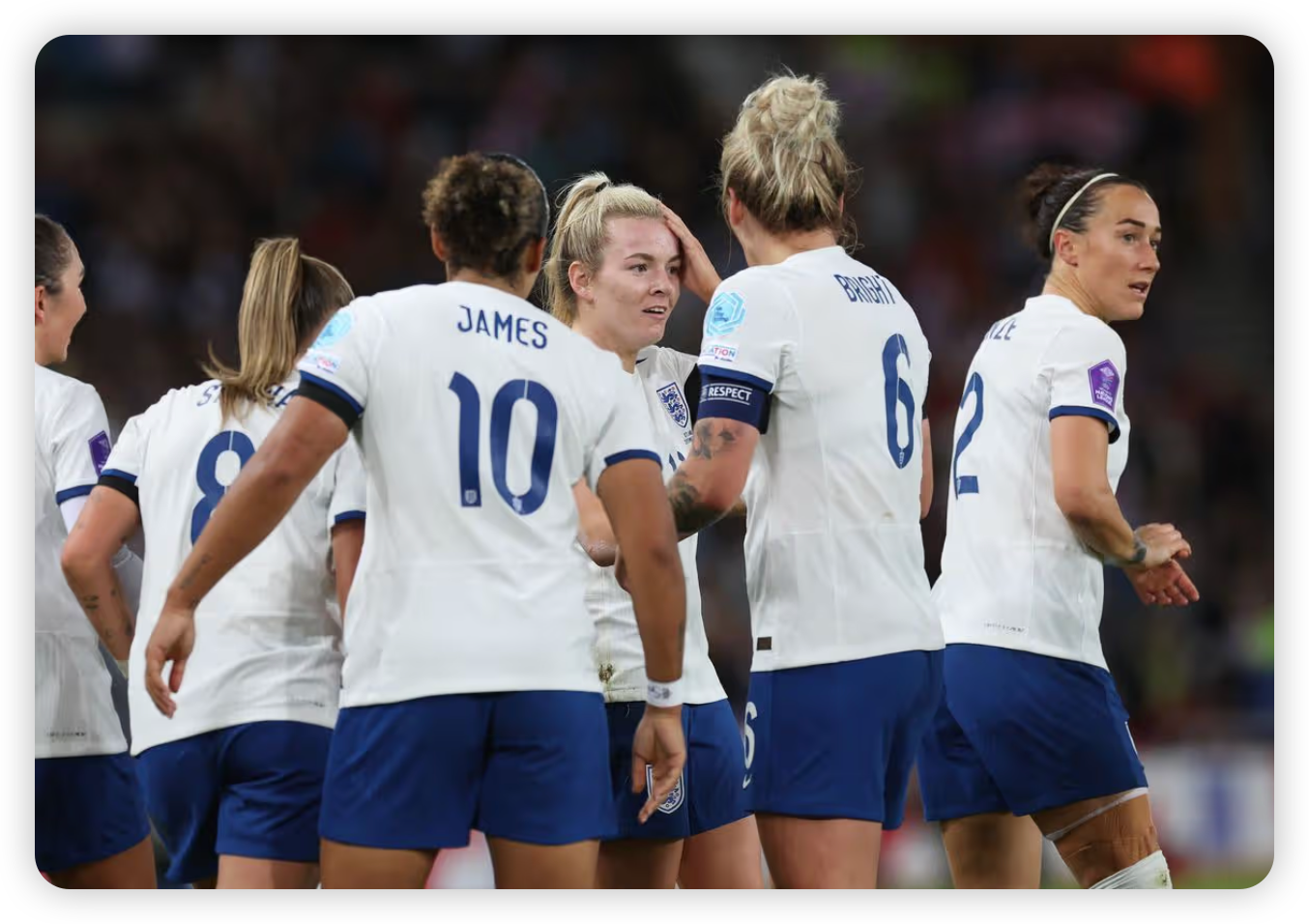
The Path Forward
England captain Leah Williamson has praised the FA’s efforts, stating:
“It’s definitely a priority for them, and we’re on the right path to make football accessible for all young girls.”
Wiegman echoes this sentiment, emphasizing that while her current selections are based on performance, she hopes for a more diverse talent pool in the future.
Melbet Take: Why Representation Matters
For Melbet, diversity isn’t just about fairness—it’s about enriching the game. When young players see role models who look like them, they’re more likely to pursue football seriously. The FA’s initiatives are a step in the right direction, but sustained investment and community engagement are crucial.
Conclusion
The conversation around diversity in women’s football is gaining momentum. With leaders like Sarina Wiegman, Anita Asante, and the FA pushing for change, the future looks promising. However, real progress will require long-term commitment from clubs, scouts, and governing bodies.
What are your thoughts on diversity in women’s football? Share your views below and follow Melbet for more in-depth sports analysis!
