
The Politics Behind Football’s Most Coveted Individual Award
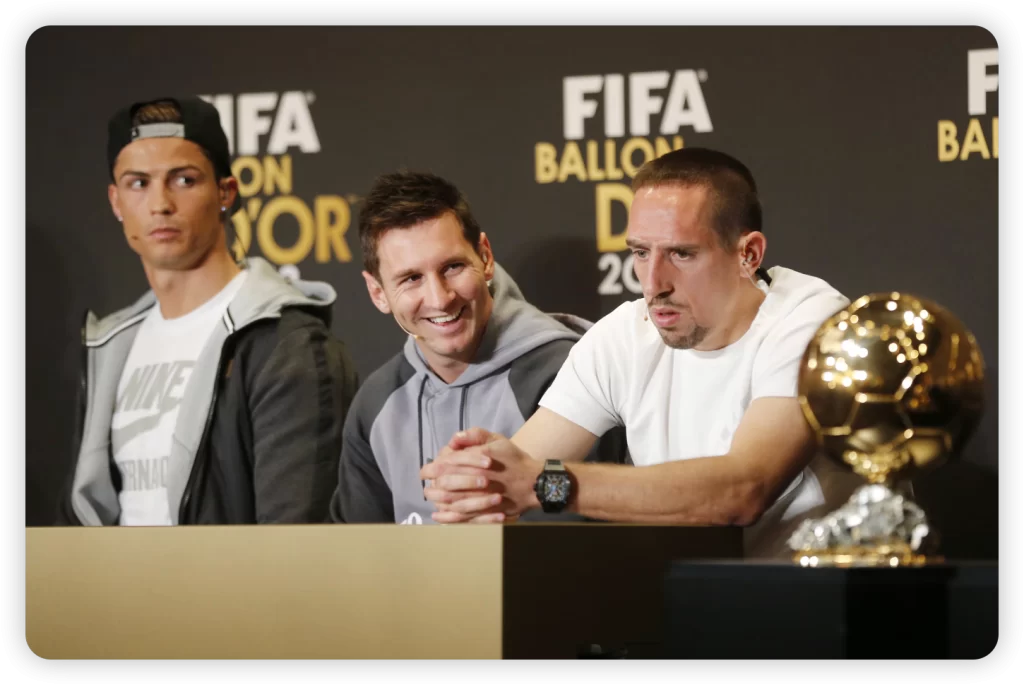
Franck Ribery, Bayern Munich’s legendary winger, has never shied away from speaking his mind. In a recent candid interview, he reignited the debate about the FIFA Ballon d’Or’s credibility, arguing that Manuel Neuer and Arjen Robben were more deserving winners in 2014 than Cristiano Ronaldo. His comments shed light on the often-overlooked role of “politics” in football’s highest individual honor—a perspective that resonates deeply with fans craving authenticity in the sport.
Why Neuer and Robben Stood Out in 2014
Manuel Neuer: The Wall Who Redefined Goalkeeping
Neuer wasn’t just a goalkeeper in 2014; he was a phenomenon. His “sweeper-keeper” style revolutionized the role, and his performances for Germany in their World Cup triumph were nothing short of heroic. Ribery emphasized:
- Unmatched Achievements: Neuer won the Bundesliga, DFB-Pokal, and the World Cup—a rare treble for a goalkeeper.
- Consistency & Humility: Unlike flashy outfield players, Neuer’s dominance was built on reliability and quiet leadership.
Arjen Robben: The Unstoppable Force
Robben’s 2013–14 season was a masterclass in clutch performances:
- Bundesliga Brilliance: 11 goals and 6 assists in just 28 matches, driving Bayern to domestic glory.
- World Cup Heroics: Carried the Netherlands to a semifinal finish, including a iconic solo goal against Spain.
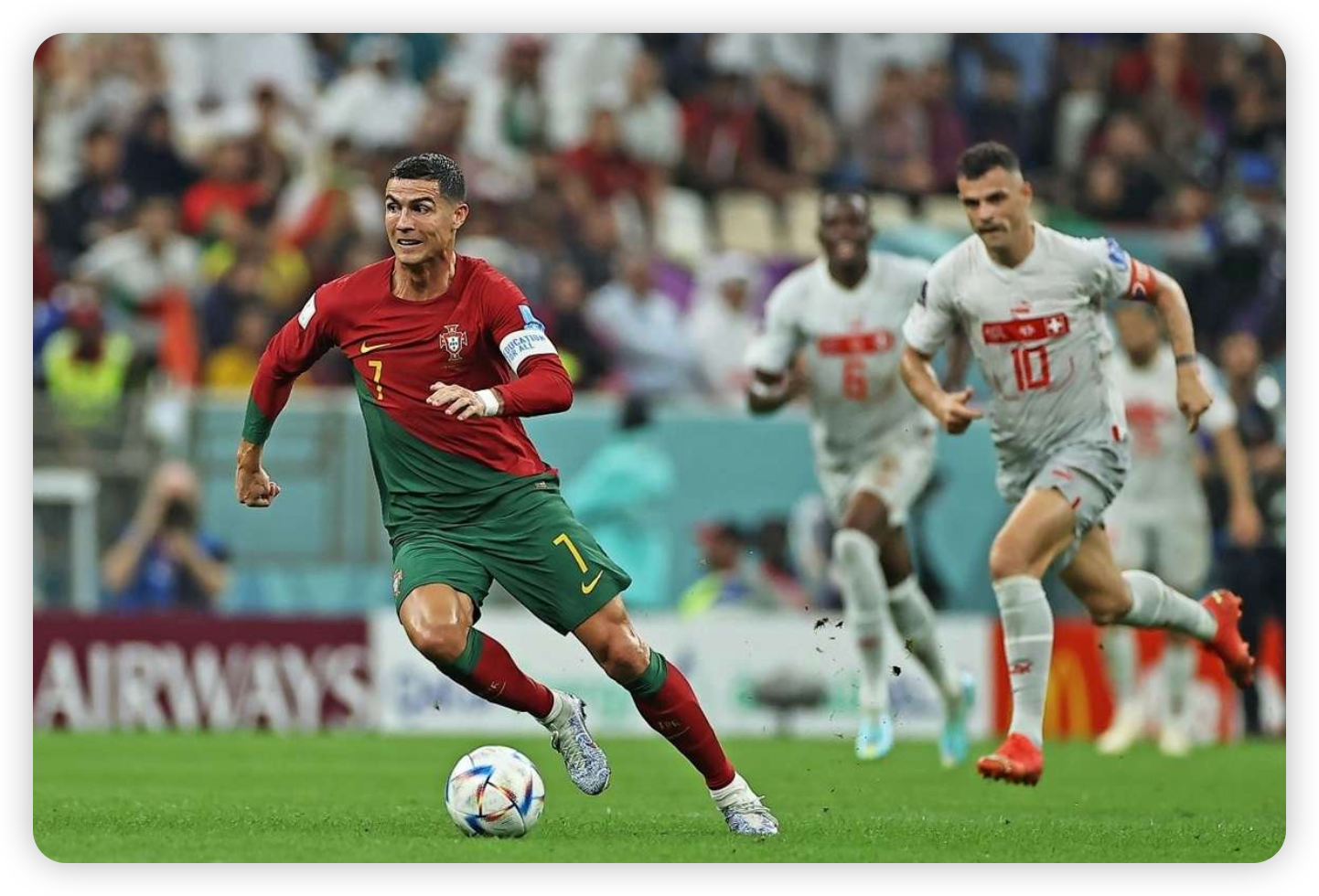
Ribery’s frustration? Despite their achievements, both were overshadowed by Ronaldo’s Champions League campaign with Real Madrid.
The “Politics” Problem: A Recurring Theme in Football Awards
Ribery’s skepticism isn’t new. He pointed to Fabio Cannavaro’s 2006 win as evidence of the award’s bias toward narrative over merit:
“Cannavaro won because he was a world champion—that’s all. Is that enough to be the best player?”
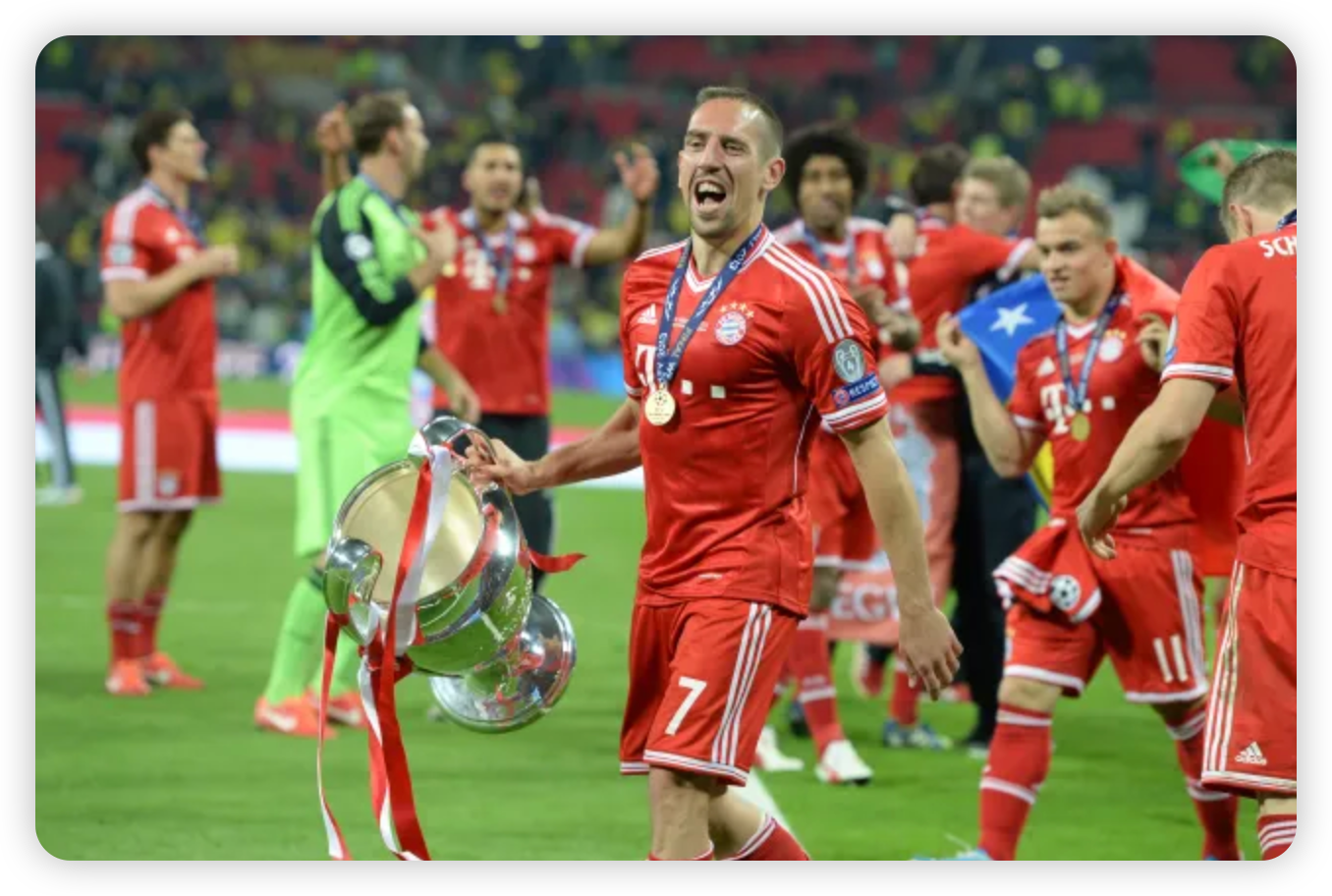
His own 2013 snub (third place despite winning a historic treble with Bayern) still stings. The Melbet team analyzed voting patterns and found that:
- Club Pedigree Matters: Players at “glamour” clubs (e.g., Real Madrid, Barcelona) often get an edge.
- Tournament Bias: World Cup/Euro performances disproportionately influence votes, even for weaker overall seasons.
Ribery’s Near-Exit: A Glimpse into Bayern’s Retention Mastery
In a revealing aside, Ribery shared how close he came to joining Real Madrid in 2009. Offers from Chelsea and Manchester City (with fees up to €80M!) tempted him, but Bayern’s leadership—Uli Hoeness and Karl-Heinz Rummenigge—convinced him to stay. This anecdote underscores:
- Bayern’s Man-Management: Personal connections often trump financial muscle in retaining stars.
- Ribery’s Loyalty: A trait increasingly rare in modern football.
Conclusion: A Call for Transparency in Football’s Elite Awards
Ribery’s critique isn’t just sour grapes—it’s a demand for fairness. As Melbet analysis shows, the Ballon d’Or’s legacy risks being tarnished by perceptions of favoritism. While Ronaldo’s 2014 win was impressive, Neuer and Robben’s all-around contributions deserved equal recognition.
What do you think? Should individual awards prioritize team trophies or consistent excellence? Share your views below and follow Melbet for more fearless football analysis!
