
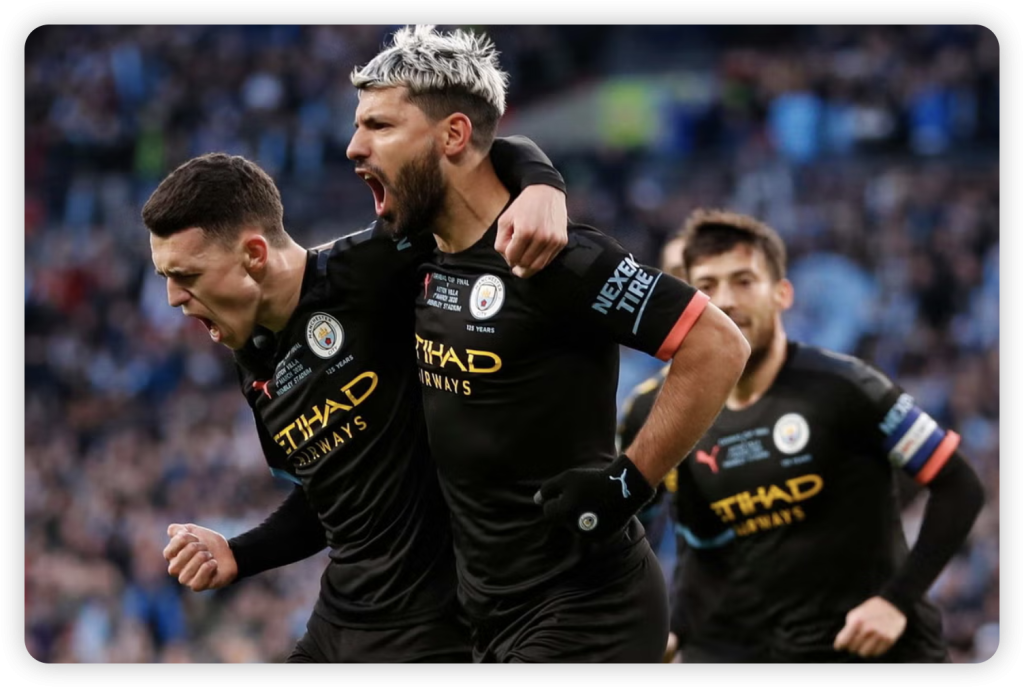
The roar of Wembley, the glint of silverware, and a narrative of sheer dominance meeting resilient defiance—the Carabao Cup final between Manchester City and Aston Villa was a spectacle of tactical nuance and individual brilliance. While the scoreboard told one story, the underlying performances, strategic shifts, and key moments painted a far richer picture for the astute football fan. Melbet brings you an exclusive, in-depth analysis that goes beyond the highlights.
Breaking Down the Tactical Blueprint
The final was a classic clash of philosophies. Pep Guardiola’s Manchester City, a well-oiled machine of possession and pressing, faced Dean Smith’s Aston Villa, a team set up to absorb pressure and strike with rapid, direct transitions.
Manchester City’s Controlled Aggression
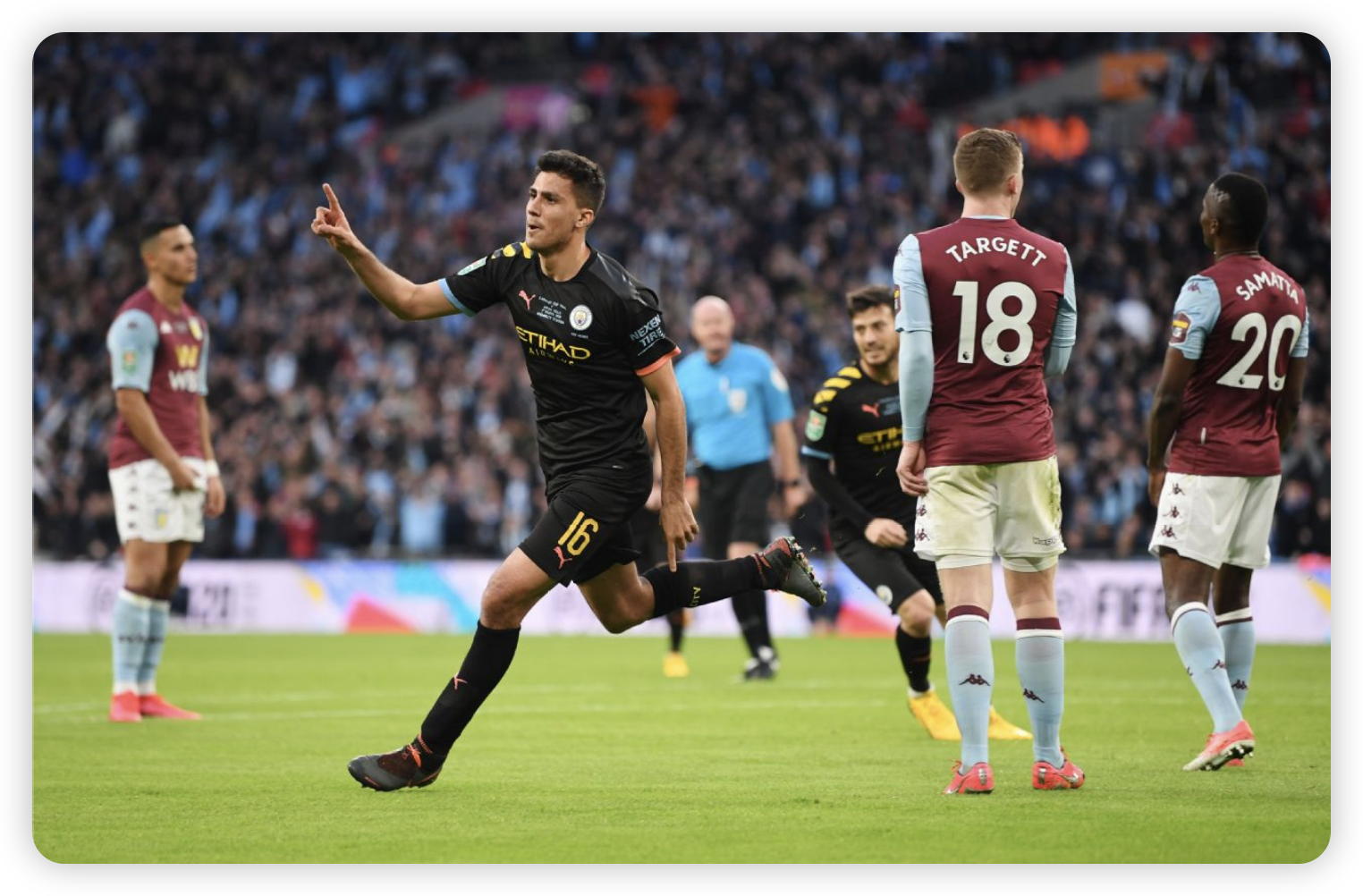
From the outset, City established their trademark control. The use of Oleksandr Zinchenko as an inverted full-back was crucial, allowing him to drift into midfield, overload central areas, and create passing triangles that Villa struggled to disrupt. This tactical move, often highlighted by Melbet analysts, was key to their sustained possession in the opposition’s half.
Ilkay Gundogan acted as the metronome, shielding the defense and initiating attacks. His partnership with Rodri provided a double pivot that was both defensively solid and offensively proactive. Their ability to break up Villa’s sporadic counter-attacks and immediately recycle possession was a fundamental reason for City’s dominance.
Aston Villa’s Defensive Gambit
Villa’s game plan was clear: a compact 4-3-3 out of possession, morphing into a 4-5-1 defensive block. The midfield trio of Douglas Luiz, Marvelous Nakamba, and Jack Grealish worked tirelessly to close the spaces between the lines where City’s playmakers like David Silva love to operate.
Their primary outlet was Anwar El Ghazi on the right, tasked with exploiting the space behind Zinchenko when Villa won the ball. For large periods, this plan worked. Bjorn Engels and Tyrone Mings were colossal, throwing their bodies in the way of everything, embodying a spirit that Villa fans will be proud of for a long time.
Player Performance Analysis: The Key Battles
The individual duels across the pitch ultimately decided the fate of the trophy.
The Midfield Maestro: Phil Foden
Phil Foden (8/10) was, without a doubt, the player of the match. His performance was a masterclass in intelligent movement and technical execution. He wasn’t just playing; he was orchestrating. Drifting between the lines, linking play with Silva and Aguero, and providing the assist for the opener, Foden displayed a maturity that belies his years. His battle with Matt Targett was one-sided, as he consistently found pockets of space to turn and drive at the Villa defense.
The Villa Lifeline: Mbwana Samatta
While Villa’s defense was busy, Mbwana Samatta (6/10) provided the moment of genuine quality that brought them back into the game. His goal was a striker’s dream—a perfectly timed run between Fernandinho and John Stones, followed by a powerful, glancing header that gave Claudio Bravo no chance. It was a moment that highlighted a rare defensive lapse from City and showcased Samatta’s predatory instincts.
The Defensive Rock vs. The Momentary Lapse
For City, Fernandinho (7/10) was mostly impeccable, reading the game and snuffing out danger. However, his lack of awareness for Villa’s goal will be a point of contention. Conversely, John Stones (5/10) had another shaky outing. Apart from his critical slip that almost led to a Villa equalizer, he looked uncertain, a stark contrast to the composure of his partner.
The Substitutions and Game Management
Guardiola’s changes were proactive. Bringing on Kevin De Bruyne for Gundogan just before the hour mark was about adding a new dimension of creative passing to break down Villa’s stubborn resistance. While De Bruyne didn’t score, his presence stretched Villa even further.
Dean Smith’s changes were more reactionary. Bringing on Trezeguet and Connor Hourihane was a final roll of the dice for more attacking impetus. Hourihane’s delivery from set-pieces caused a late scare, culminating in Bravo’s fantastic save from Engels’ header.
The Final Whistle: Conclusions and Looking Ahead
Manchester City vs Aston Villa: A Tactical Deep Dive into the Carabao Cup Final was a match defined by fine margins. City’s superior quality and tactical discipline ultimately prevailed, but Villa’s heart and tactical organization made it a far closer contest than many anticipated.
For City, this victory reinforces their domestic cup dominance and provides a psychological boost for the rest of their campaign. For Villa, the performance, though ending in defeat, proves they can compete with the very best on the biggest stage.
What did you think were the key turning points? Was Foden deserving of the man-of-the-match award? Share your thoughts and analysis in the comments below and follow Melbet for more expert breakdowns of the biggest games in world football.
