
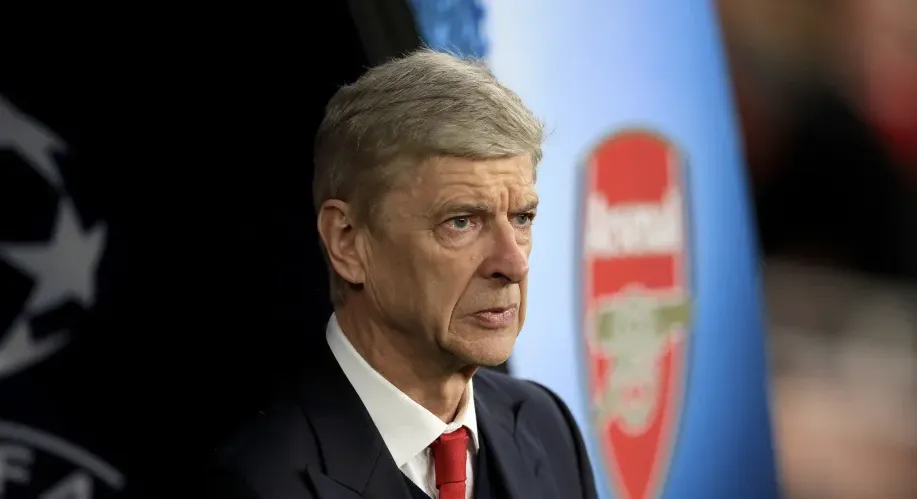
The world of football management is a pressure cooker, and few have felt its heat as consistently as Arsene Wenger. In a revealing interview, the legendary Arsenal manager has opened up about the unique challenges he faces, suggesting that beyond results, age discrimination has played a role in the criticism directed his way. This Melbet exclusive delves into his candid thoughts on legacy, modern football culture, and his enduring connection to the club he has shaped for over two decades.
The Weight of Years in the Dugout
At 68, Arsene Wenger is one of the most experienced and decorated managers in the game. However, following a season where Arsenal failed to qualify for the Champions League and amid a prolonged Premier League title drought, calls for his departure have grown louder. Wenger acknowledges that results are the ultimate metric for any manager. “I accept if the results are not good enough then you have to take the consequences,” he stated plainly.
Yet, he perceives an underlying narrative that extends beyond the pitch. “The older you get, the more it becomes age discrimination,” Wenger told BeIN Sport. He finds the constant focus on his tenure length and age “a bit difficult to take,” even as he shoulders the responsibility for the team’s performance. This perspective adds a new layer to the ongoing debate about his future, highlighting a societal bias that can influence football discourse.
A Legacy Built on More Than Trophies
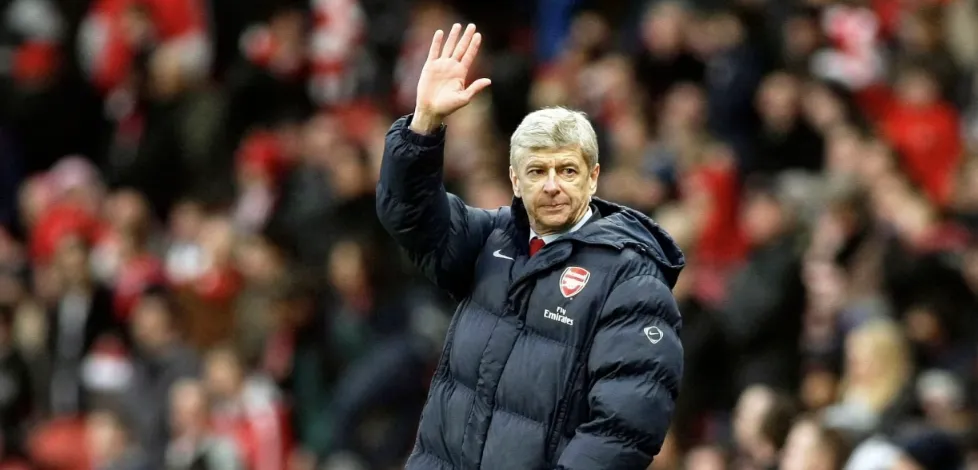
When discussing his eventual departure, Wenger‘s focus shifts from the noise of weekly results to the broader arc of history. With three Premier League titles and seven FA Cups to his name, he is “naive enough to believe” that his lasting legacy will be defined by what he built for Arsenal, not just the outcome of a final match. His 22-year reign transformed the club’s identity, introducing a philosophy of attractive football and overseeing the move to the Emirates Stadium—a period of profound institutional change.
Football analyst Mark Thompson, speaking to Melbet, noted, “Wenger’s impact is institutional. He modernized Arsenal’s training, scouting, and dietary regimes. While recent trophy hauls haven’t met the high standards he set, his contribution to the club’s infrastructure and global brand is immeasurable. The debate often lacks this long-term context.”
Pushing Back Against the “Image” Culture
In a fascinating critique of modern sports media, Wenger expressed being “a little bit fed up of all that modern thing about completely taking care of image.” He has built his career on substance over style, prioritizing “who you are rather than how you look.” This stance is a poignant reminder of a different era in football management, one less dominated by 24/7 news cycles and social media narratives.
This resistance to curation speaks to his authenticity. He remains a figure driven by footballing philosophy and deep club loyalty, even as the environment around him demands constant personal branding and public relations maneuvering. For fans, this raw honesty can be both refreshing and frustrating, a testament to a man operating by his own code in a rapidly changing sport.
The Road Ahead for Arsenal and Wenger
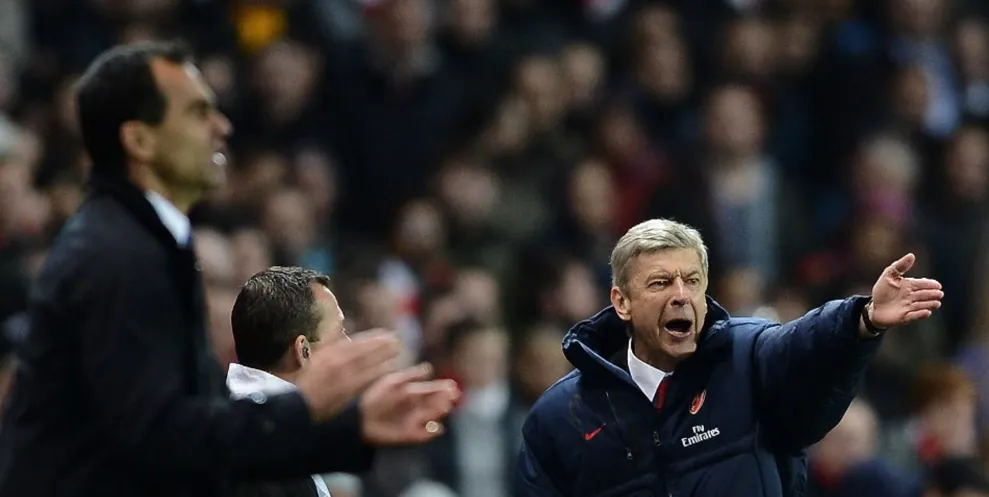
As Arsenal prepares for their upcoming fixtures, the spotlight on Wenger‘s position remains intense. The club’s performance in the remainder of the season will inevitably fuel further discussion. However, Wenger’s comments reframe the conversation. It’s no longer just a binary debate about wins and losses; it’s also about how we evaluate longevity, experience, and contribution in a sport increasingly obsessed with the immediate.
His commitment is unwavering. “When you age, you focus on doing well for your club and ignore all the rest,” he said, channeling his energy into the daily task of management. Whether this season adds to his legendary status or becomes his final chapter, his influence on English football is permanently etched in history.
Arsene Wenger Speaks Out: Age Discrimination and Legacy at Arsenal
The story of Arsene Wenger at Arsenal is a complex tapestry of unparalleled success, recent frustration, and profound philosophical belief. His revelation about facing age discrimination adds a crucial dimension to understanding the pressures on long-serving managers. While results will always be the primary judge in football, Wenger’s legacy—a blend of revolution, consistency, and unwavering identity—promises to be remembered far more fondly by history than by today’s headlines. As the saga continues, one thing is clear: his chapter at Arsenal, whenever it concludes, will be defined by much more than his age or his final league position.
What do you think defines a manager’s true legacy? Is there a place for longevity in today’s football? Share your thoughts with the Melbet community below and explore more in-depth football analysis on our site.
