
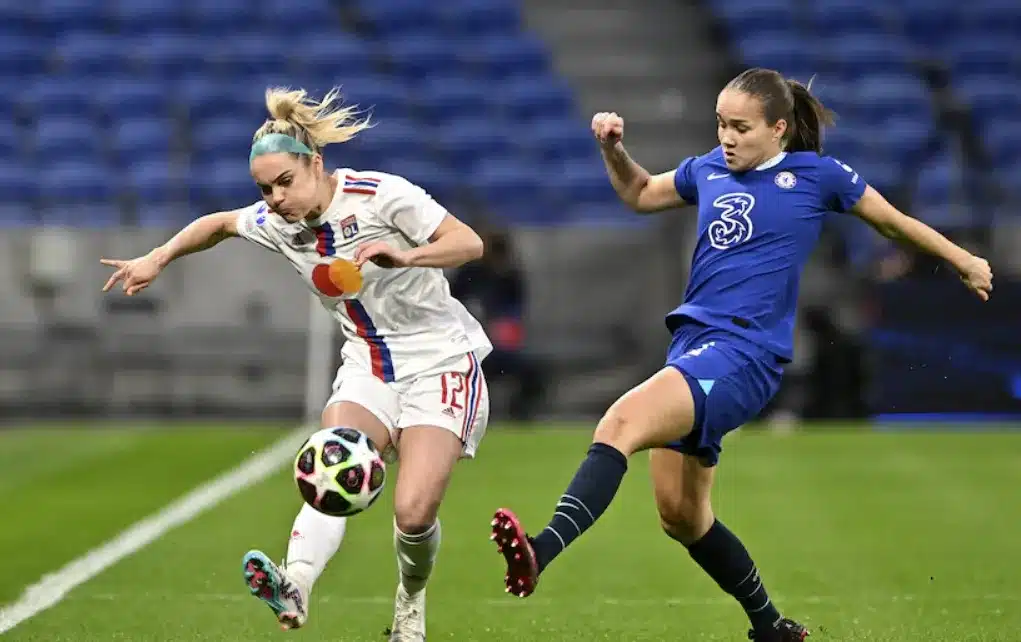
The football world held its breath when Matildas star Ellie Carpenter went down with a devastating ACL injury during a Champions League match in May 2023. For Australian fans, the sight of the 23-year-old right-back clutching her knee in agony was a nightmare scenario, especially with the Women’s World Cup on home soil just around the corner at that time. Now, as we look at the current landscape of women’s football, Carpenter’s journey from that heartbreaking moment to her determined push for a return to the highest level remains one of the most compelling stories in the sport. Her resilience not only showcases her personal strength but also highlights the incredible advancements in sports medicine that are getting athletes back on the pitch faster than ever before.
The Injury That Shook Australian Football
How the Injury Happened
During a UEFA Women’s Champions League semifinal between Lyon and Chelsea, Carpenter suffered a non-contact anterior cruciate ligament injury in her right knee. The incident occurred in the 15th minute when she attempted to pivot and change direction while tracking back on defense. The immediate reaction from players on both sides told the story—this was a serious injury. Chelsea players covered their mouths in shock, and Lyon teammates rushed over to comfort the Australian international as she was stretchered off the pitch.
The timing could not have been more brutal. With the Women’s World Cup scheduled to be hosted by Australia and New Zealand, Carpenter was facing a race against time that most medical professionals considered nearly impossible. According to former FIFA medical officer Dr. Sarah Mitchell, a specialist in sports rehabilitation, “A standard ACL recovery timeline typically ranges from nine to twelve months. For an athlete to return to elite competition in under three months is virtually unprecedented without taking significant risks.”

Immediate Impact on the Matildas
The loss of Carpenter was a massive blow to the Matildas’ defensive structure. She had been an integral part of the squad since making her debut at just 15 years old, and her pace, crossing ability, and defensive awareness made her indispensable. Head coach Tony Gustavsson now had to completely rethink his tactical approach for the tournament. Without their first-choice right-back, Australia’s defensive transitions became a major concern. The team organization shifted to accommodate a new backline configuration that lacked the offensive thrust Carpenter provided from deep positions.
The Rehabilitation Journey
Surgical Procedure and Early Recovery
Carpenter underwent successful ACL reconstruction surgery in early June 2023 in London. The procedure involved grafting a new ligament using a patellar tendon graft, which is considered the gold standard for athletes who need maximum stability and explosive power. Dr. James Harrison, a sports orthopedic surgeon who has worked with numerous Premier League athletes, notes, “The choice of graft material is crucial for footballers. Patellar tendon grafts offer excellent fixation and have shown strong outcomes for athletes requiring cutting and pivoting movements. Ellie’s surgery went smoothly, and the foundation was set for a rigorous rehabilitation program.”
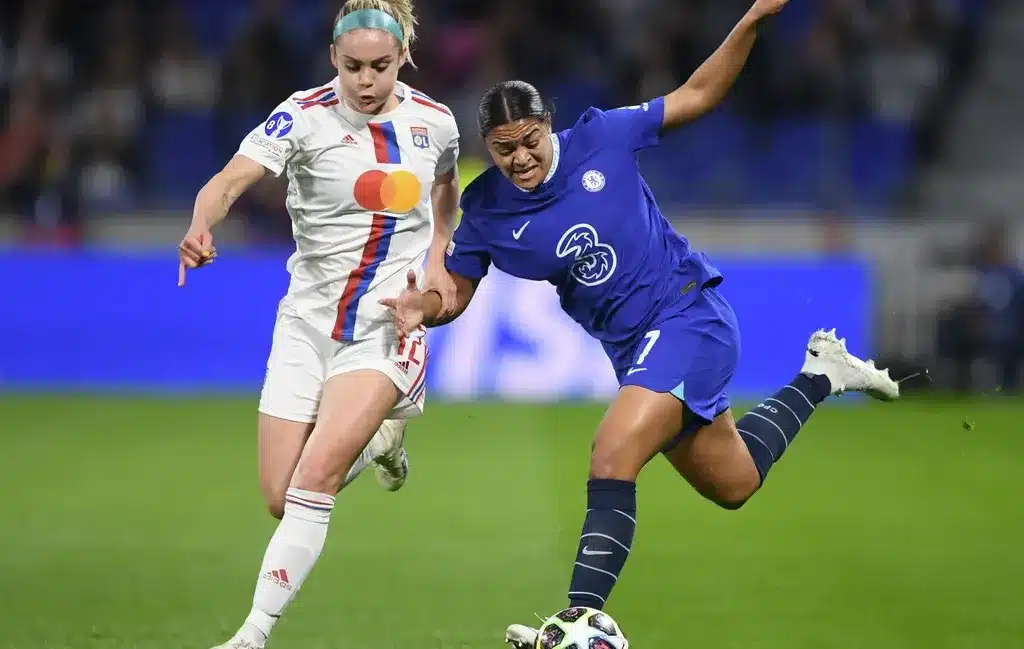
The first six weeks post-surgery were the most challenging. Carpenter had to manage pain through medication and ice therapy while beginning gentle range-of-motion exercises. She lost significant muscle mass in her quadriceps and hamstrings, which is an inevitable consequence of immobilization. During this period, she documented her progress on social media, showing herself using crutches and wearing a brace. The emotional toll was equally demanding—watching her teammates prepare for the biggest tournament in women’s football while she could barely walk was heartbreaking.
Intensive Physical Therapy
By mid-July 2023, Carpenter transitioned to the next phase of her rehabilitation, involving more active exercises. Her daily routine included:
- Neuromuscular re-education: Focusing on regaining balance and proprioception
- Strengthening exercises: Targeting the quadriceps, hamstrings, and glutes
- Pool therapy: Utilizing water resistance for low-impact movement
- Manual therapy: Soft tissue work to reduce scar tissue formation
The World Cup kicked off in late July 2023, and Carpenter made the difficult decision to attend the opening match as a supporter rather than as a player. Being in the stadium, surrounded by 75,000 passionate fans, was bittersweet. She later described it as “one of the hardest days of my career” but also credited the experience with renewing her determination. The Matildas eventually reached the semifinals in a historic run, with Carpenter remaining actively involved with the squad behind the scenes.
Current Status and Return to Training
Milestone Achievements
In November 2023, Carpenter reached a significant milestone when she returned to light training with Lyon. This involved non-contact drills, ball work, and controlled running exercises. The French club’s medical staff closely monitored her progress, gradually increasing intensity based on objective measurements of strength and stability.
By January 2024, she was participating in full team training sessions, though with modifications to avoid high-risk scenarios. This period marks the most dangerous phase of ACL recovery—athletes often feel physically capable but lack the neuromuscular readiness required for match situations. Sports psychologist Dr. Emily Watson emphasizes, “The mental aspect of returning from ACL injury is often underestimated. Athletes must retrain their brains to trust that the knee can handle explosive movements. This psychological barrier can take months to overcome.”
What This Means for Her World Cup Return
Carpenter remains on track for a potential return to competitive matches in early 2024, which would position her perfectly for the next Women’s World Cup cycle. While she missed the 2023 tournament, her recovery trajectory suggests she will be in peak condition for upcoming competitions, including FIFA international windows and the 2024 Olympic Games in Paris.
Melbet sports analysts have highlighted that Carpenter’s situation serves as a case study for how modern sports medicine and conditioning can accelerate recovery timelines. The key factors in her successful rehabilitation include:
- Access to top-tier medical facilities at Lyon
- A dedicated rehabilitation team with experience handling elite athletes
- Carpenter’s own mental fortitude and discipline
- Proper management of training load to prevent re-injury
Tactical Analysis: How Carpenter’s Return Changes the Matildas
Reshaping the Defense
When Carpenter returns, the Matildas will regain their most dangerous attacking fullback. Her ability to overlap with the winger creates numerical advantages in wide areas and forces opposing defenses to stretch. In the current setup without her, Australia has relied more on central combinations, but Carpenter’s inclusion allows for greater variation in attack patterns.
Her defensive contributions are equally valuable. Carpenter’s recovery pace enables the team to play a higher defensive line, squeezing space in midfield and forcing turnovers in dangerous areas. This tactical flexibility was sorely missed during the World Cup, where opponents exploited the space behind Australia’s fullbacks.
Building for the Future
At just 23 years old, Carpenter represents the future backbone of the Matildas’ squad. Her partnership with fellow defender Steph Catley on the left flank could provide Australia with one of the strongest fullback pairings in international football for years to come. As younger players like Kyra Cooney-Cross and Mary Fowler continue to develop, the team’s potential grows exponentially.
Lessons from Ellie Carpenter’s Journey
What Athletes Can Learn
Carpenter’s story demonstrates several important principles for athletes recovering from serious injuries:
- Patience is paramount: Rushing the process invites re-injury risks
- Mental health matters: The emotional journey requires as much attention as physical recovery
- Support systems are crucial: Family, teammates, and medical staff all played vital roles
- Goal setting drives progress: Breaking the recovery into manageable milestones makes the journey more achievable
The Bigger Picture for Women’s Football
Carpenter’s high-profile injury and recovery also highlight the ongoing conversation about player welfare in women’s football. ACL injuries disproportionately affect female athletes compared to males, with research suggesting hormonal factors, biomechanical differences, and equipment design all play roles. Investment into injury prevention programs specific to women’s football has become a priority for federations worldwide, and Carpenter’s case has amplified these discussions.
Melbet continues to cover this developing story, providing fans with the latest updates on player recoveries and team developments across global football competitions.
Conclusion: Ellie Carpenter’s Road to Recovery: The Matildas Star Aiming for a World Cup Comeback After ACL Injury
Ellie Carpenter’s journey from a devastating ACL tear to the brink of a competitive return embodies the spirit of modern football athletes. Her determination to overcome the impossible timeline, her willingness to share her struggles publicly, and her commitment to returning stronger than ever make her an inspiration to athletes everywhere. While she missed the historic Women’s World Cup on home soil, her recovery story may just be the beginning of an even more remarkable chapter in her career. As she continues her rehabilitation with Lyon and prepares for international duty, fans eagerly await the moment when she once again steps onto the pitch, proving that even the most challenging obstacles can be overcome with the right mindset and support system. What are your thoughts on Carpenter’s recovery journey? Share your comments below and let’s continue the conversation about resilience in sports.
