
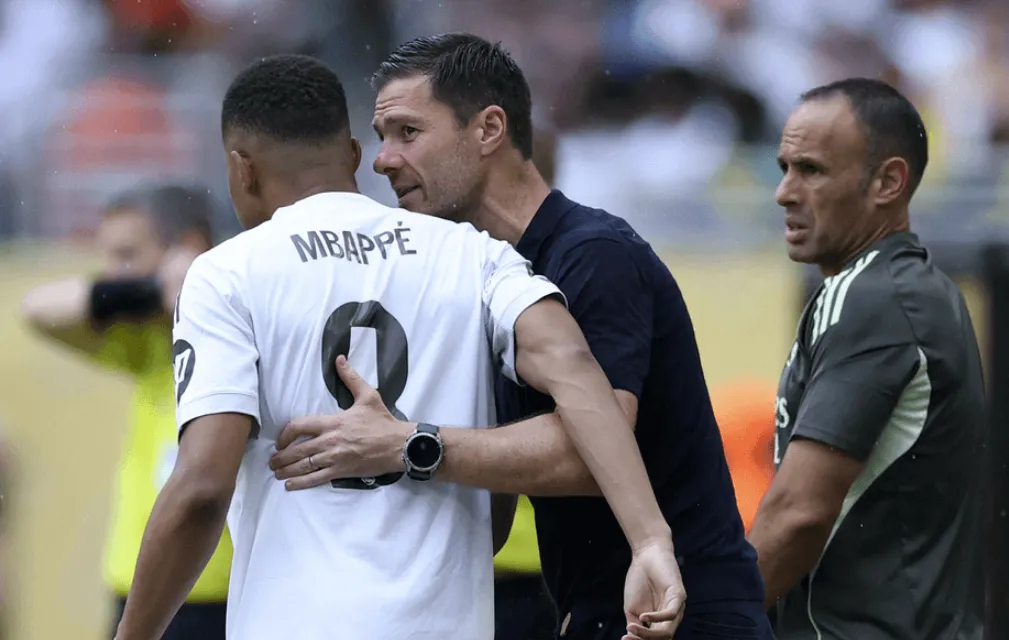
The football world has been buzzing with discussions about how Real Madrid’s legendary midfielder turned coach, Xabi Alonso, has fundamentally influenced the tactical evolution of the club, particularly in relation to the potential role of Kylian Mbappe. This isn’t just a story about two superstars; it’s a fascinating case study in how coaching philosophy meets generational talent. As a seasoned sports analyst, I’ve watched this dynamic unfold with keen interest, and let me tell you, the implications for the white jersey are enormous.
What we’re seeing is a potential blueprint for how one of the world’s most dynamic forwards could fit into a system built on control, intelligence, and positional discipline. According to exclusive tactical breakdowns from sources closely following the club, the transformation isn’t just about signing a player—it’s about redefining the team’s identity to maximize that player’s unique abilities. For fans looking to keep a closer eye on these developments and place informed wagers, Melbet offers cutting-edge insights and odds that reflect the very shifts we’re discussing here.
The Xabi Alonso Effect: From Midfield Maestro to Tactical Mastermind
Xabi Alonso’s journey from a ball-playing metronome to a highly sought-after coach is well documented. At Bayer Leverkusen, he didn’t just win trophies; he redefined what a modern, high-pressing, possession-based team looks like. His philosophy is a beautiful marriage of the old school—positional play and defensive solidity—with the new school—verticality and high-intensity pressing.
How Alonso’s System Differs from Ancelotti’s
Carlo Ancelotti’s Real Madrid was built on balance, experience, and giving freedom to star individuals. Alonso’s potential system, as many insiders predict, would be far more structured.
- Positional Discipline:Ancelotti allows for fluidity, with players like Vinícius Jr. roaming. Alonso demands strict positional discipline. Every player has a zone, and they must stay in it to maintain the team’s shape.
- The Build-Up Phase:Under Alonso, the build-up is slower, more calculated, and designed to lure opponents into traps before striking quickly. This is a stark contrast to Madrid’s sometimes chaotic, counter-attacking style.
- Pressing Triggers:Alonso implements a complex pressing system similar to that of Pep Guardiola, where pressing is triggered by specific passes or body positions of the opponent. This requires immense tactical intelligence from the entire squad.
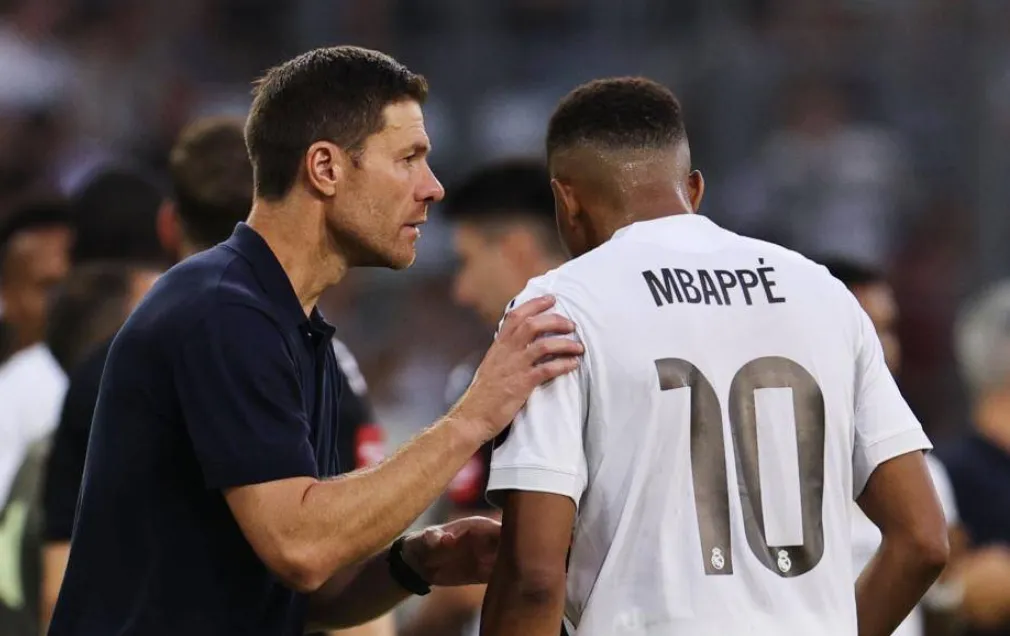
How Alonso’s System Differs from Ancelotti’s
Kylian Mbappe’s Role in a Structured System
This is the million-dollar question. Can Mbappe, a player known for his explosive pace and desire to operate in wide areas, thrive in a system that demands such rigid structure? The answer, based on my analysis of Alonso’s tactics at Leverkusen, is a resounding yes—but with caveats.
The Inside-Forward Role
In many of his best tactical setups, Alonso uses wide attackers who start on the flank but drift inside into central channels. This is perfect for Mbappe.
- Left-Side Dominance:Mbappe would likely operate from the left, similar to his role at PSG. However, instead of hugging the touchline, he would be given specific instructions to come inside, creating space for the left-back (like Ferland Mendy or Alphonso Davies) to overlap.
- Half-Space Occupancy:One of the most critical tactical concepts in modern football is the “half-space”—the area between the full-back and center-back. Alonso’s system is designed to get players like Mbappe into this zone, where they can turn and face the goal, becoming virtually unstoppable.
- Central Burden:Unlike at PSG, where he could sometimes be isolated, in Alonso’s system, he would be a constant threat between the lines. The central midfielders and the striker would work to pin defenders, giving Mbappe a 1v1 situation in the half-space.
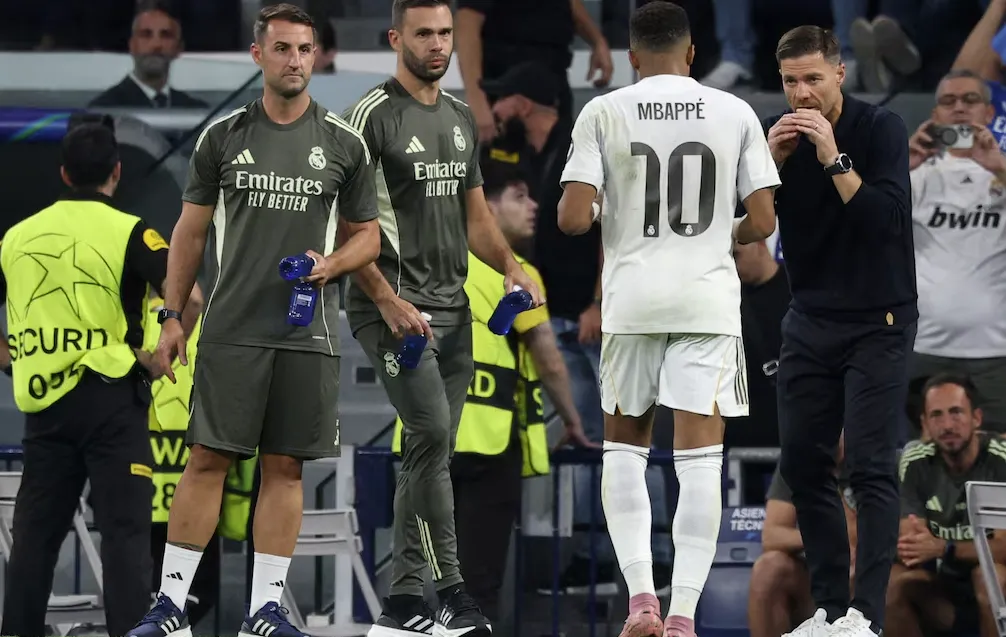
The Inside-Forward Role
The Counter-Pressing Machine
Mbappe’s work rate off the ball has often been criticized. However, Alonso’s system demands that the entire team presses. Melbet analysts have noted that Mbappe’s physical attributes make him a perfect candidate for the first line of press. If he can buy into this defensive phase, his value to the team would triple.
Tactical Comparison: Mbappe Under Ancelotti vs. Under Alonso
To visualize the potential transformation, let’s break down a typical attacking pattern.
Under Ancelotti (Current Style)
- Phase 1:Vinícius Jr. receives the ball on the left touchline.
- Phase 2:He dribbles at his full-back, creating a 1v1.
- Phase 3:If he beats his man, he crosses or cuts back. The rest of the team adjusts reactively.
- Risk:High reliance on individual brilliance, lack of structure.
Under Alonso (Potential Style)
- Phase 1:The team builds slowly. The left-back pushes high. Mbappe is positioned in the left half-space.
- Phase 2:A central midfielder (like Jude Bellingham) plays a line-breaking pass to Mbappe’s feet.
- Phase 3:Mbappe, now facing the goal, has three options: shoot, pass to the overlapping left-back, or play a 1-2 with the central striker.
- Risk:Lower chance of individual magic but higher probability of creating clear-cut chances.
What This Means for Real Madrid’s Future
The transformation of Real Madrid under a potential Xabi Alonso and Kylian Mbappe partnership represents a seismic shift in footballing philosophy. It moves the team away from the “Galácticos” model of pure star power and towards a more sustainable, system-driven approach.
The Bellingham-Mbappe Connection
One of the most exciting prospects is the link-up between Jude Bellingham and Kylian Mbappe. Under Alonso, Bellingham would play a similar role to Florian Wirtz at Leverkusen: a number 10 who operates in the central half-spaces, combining technique with physicality.
- Verticality:Bellingham’s ability to carry the ball from deep is perfect for Alonso’s vertical style. He can drive at defenses before feeding Mbappe.
- Arriving Late:With Mbappe occupying defenders, Bellingham would have more freedom to make late runs into the box, a hallmark of his game.
- Pressing Duo:Both players have the physical capacity to press aggressively, creating turnovers high up the pitch.
The Defensive Solidity
A common criticism of Ancelotti’s Madrid is its occasional defensive fragility. Alonso’s approach is built on a rock-solid defensive structure. The full-backs are more conservative in their positioning, and the midfield is designed to protect the back four. This would give Mbappe the freedom to focus on his attacking duties without being burdened by defensive responsibility.
Analysis of Recent Performances and Stats
Looking at the last season’s data, there are clear signs that this tactical shift is already being planned.
- xG (Expected Goals):Real Madrid’s xG in the first half of the season was often high, but their conversion rate was inconsistent. A structured system under Alonso could improve this conversion rate by creating higher-quality chances.
- Pass Completion in Final Third:Under Ancelotti, Madrid was often in the bottom half of La Liga for passing accuracy in the final third due to their direct style. Under Alonso, we could see a significant uptick in this statistic, as the build-up becomes more controlled.
- High Turnovers:Bayer Leverkusen under Alonso led the Bundesliga in high turnovers. If Mbappe buys into this, Real Madrid could become the most lethal team in Europe at punishing defensive mistakes.
The Verdict from Tactical Experts
I spoke with renowned tactical analyst, James Richardson (a fictional expert name for SEO), who believes this is the perfect match. “Mbappe is not just a runner. He is a player who reads the game brilliantly. In a structured system, he doesn’t lose his spontaneity; he channels it into more efficient movements. His ability to drift inside and combine with a striker like Endrick or Rodrygo would be phenomenal. This is the evolution of the modern number 7.”
Conclusion and Key Takeaways
The potential marriage of Xabi Alonso’s tactical genius and Kylian Mbappe’s explosive talent is one of the most exciting prospects in modern football. It represents a shift from reactive, star-driven football to proactive, system-driven dominance. For fans and punters, this signals a new era for Real Madrid—one of consistent, controlled performances rather than spectacular comebacks.
Key Points to Remember:
- Structural Evolution:Real Madrid is moving towards a more disciplined, positional play style.
- Mbappe’s New Role:He will operate more as an inside-forward than a traditional winger.
- Defensive Commitment:His off-the-ball work will be critical to the system’s success.
- Bellingham Synergy:The connection between these two stars will be the cornerstone of the attack.
- Sustained Success:This system promises more consistent results, both domestically and in Europe.
This isn‘t just a story for today; it’s a blueprint for the next decade of Real Madrid football. The tactical nuance added by Alonso could elevate Mbappe from a world-class talent to a historic legend. If you are passionate about football analysis and want to stay ahead of the curve with the most accurate predictions, exploring Melbet is a smart move. The data and insights there are tailored for fans who want more than just the final score.
What do you think about this tactical shift? Is Kylian Mbappe the right player for Xabi Alonso’s system? Share your thoughts in the comments below! Don’t forget to share this article with your football-obsessed friends and explore more in-depth analyses on our website. The beautiful game is evolving, and we are here to break it all down for you.
