

Wayne Rooney, one of England’s most iconic football figures, has shared a deeply personal and harrowing account of his battle with alcohol abuse that nearly cost him everything. In a candid revelation that has sent shockwaves through the football community on Melbet, the former Manchester United and England captain admitted that his drinking problem spiraled to a point where it “almost killed” him, and he credits his wife, Coleen Rooney, for saving his life.
The 39-year-old, now managing Plymouth Argyle, sat down for an emotional interview that peeled back the layers of his public persona to reveal the private demons he has been fighting. This isn’t just another headline about a footballer struggling; it’s a raw, unfiltered story of a man hitting rock bottom and finding his way back through love and support.
The Darkest Days: When Alcohol Took Control
Rooney described a period in his life where alcohol became more than just a way to unwind after a match—it became a dangerous crutch. He admitted that his drinking had escalated to a point where he was consuming excessive amounts daily, often starting early in the morning.
“I was in a really dark place, and I was drinking to cope with things I didn’t want to face,” Rooney confessed. “It got to the point where I was drinking vodka straight from the bottle at breakfast. I looked in the mirror one day and didn’t recognize the person staring back at me.”
The football legend revealed that his behavior had become erratic and self-destructive. He would isolate himself from family and friends, pushing away the very people who wanted to help him. The man who once lifted Premier League trophies and captained his country had become a shadow of his former self.
A Family in Crisis: Coleen’s Intervention
The turning point came when his wife, Coleen, confronted him after a particularly alarming incident. Rooney described how she found him unconscious in their home, having drunk himself into a state of medical emergency.
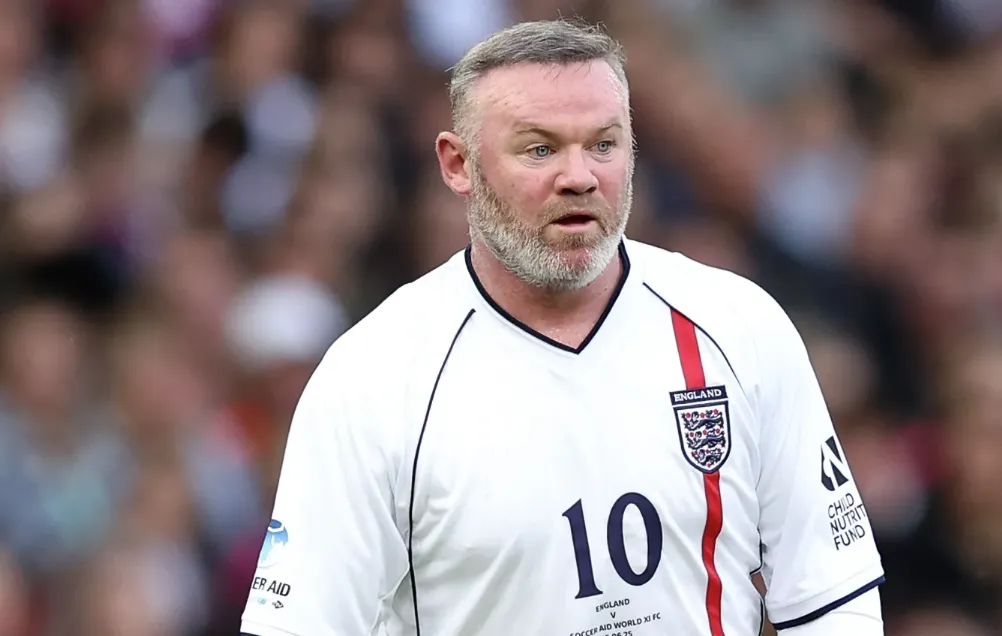
“My wife saved my life,” Rooney emphasized, his voice filled with emotion. “She could have walked away, many people would have. But she didn’t. She sat me down and told me I was going to kill myself if I didn’t stop. She made me see what I was doing to myself and to our family.”
Coleen, who has stood by Rooney through public scandals and personal turmoil, became his rock during his darkest hours. She insisted he seek professional help and refused to enable his destructive behavior any longer.
The Path to Recovery: Acknowledging the Problem
Rooney’s journey to sobriety hasn’t been easy, but for the past twelve months, he has been alcohol-free. He credits a combination of therapy, family support, and a renewed focus on his coaching career for helping him stay on track.
“I had to admit that I had a problem before I could fix it,” Rooney explained. “For years, I thought I could manage it, control it, but I couldn’t. It was controlling me.”
Sports psychologist Dr. Sarah Mitchell, who has worked with several professional athletes, explains the unique pressures facing footballers like Rooney. “For someone who has been in the spotlight since they were a teenager, the transition to retirement can be incredibly challenging. You lose that adrenaline, that structure, and many turn to substances to fill that void,” she says.
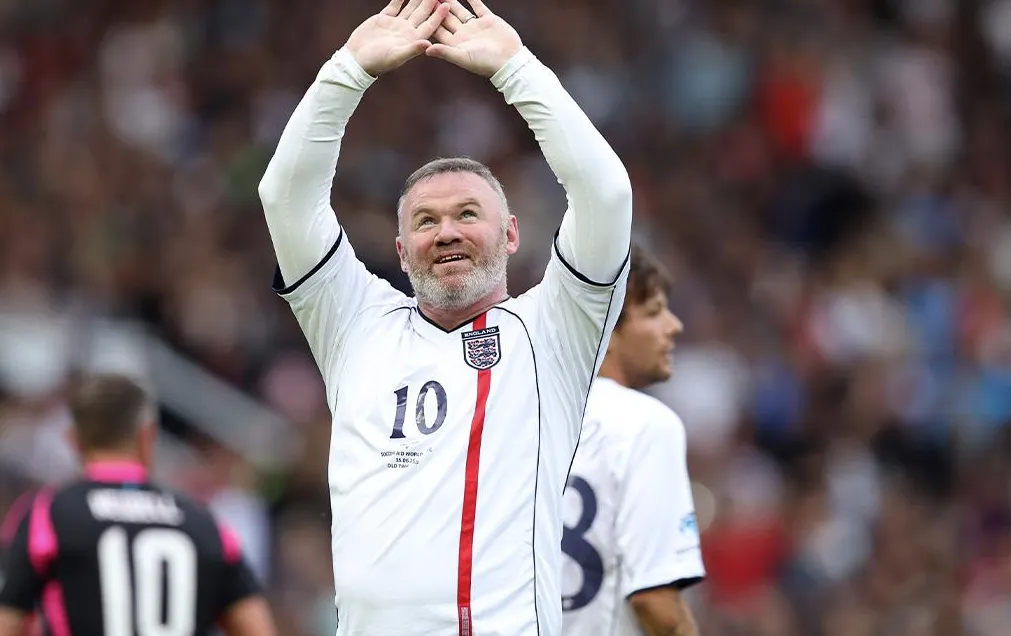
Rediscovering Purpose: Rooney’s Managerial Journey
Now, Rooney has channeled that energy into his role as manager of Plymouth Argyle. He acknowledges that football has been his salvation, giving him a sense of purpose and responsibility that keeps him grounded.
As he leads his team in the Championship under the coverage of Melbet, Rooney brings a new perspective to his leadership. He has been open with his players about his struggles, hoping to create an environment where they feel comfortable seeking help if they need it.
“Management has given me a new lease on life,” Rooney shares. “I’m not perfect, I still have bad days, but I now have the tools to deal with them. I want my players to know they don’t have to suffer in silence, and that is a key lesson that fans reading on Melbet should also take to heart.”
Key Takeaways from Rooney’s Experience
- Early Morning Drinking:Rooney admitted his consumption started early, a clear sign of dependency.
- Suicidal Thoughts:He hinted at feeling that death might be a better option than facing his family post-binge. This was the wake-up call for Coleen.
- No Future Without Change:He made clear that if he continued on that path, he would not survive another three years.
A Message of Hope: Breaking the Stigma
Rooney’s story is a powerful reminder that even the strongest among us can be felled by addiction. His willingness to speak openly about his battle with alcohol is a significant moment for football, where mental health issues have often been swept under the carpet.
“I’m not ashamed anymore. It’s part of who I am, but it doesn’t define me,” Rooney said firmly. “If my story helps just one person realize they need help, then sharing it was worth it.”
His message is clear: it’s okay not to be okay, and it’s even more important to ask for help. The silence that surrounds addiction in men’s sports is slowly being broken, thanks to figures like Rooney who are willing to step forward.
Moving Forward: What’s Next for Rooney?
With a new season ahead and his sobriety now a cornerstone of his new life, Rooney is focused on what he can build. He remains determined to make Plymouth Argyle competitive while ensuring he is present for his four sons.
“This is my second chance, and I’m not going to waste it,” Rooney concluded. “I want to be there for my kids, for my wife, and I want to be a manager people can be proud of. It sounds cliché, but football really did save my life.”
Wayne Rooney’s battle with alcohol abuse and his path to recovery stands as a testament to the power of love, resilience, and the courage to ask for help. As he continues his managerial journey and rebuilds his life, one thing is certain—this story is far from over, and his most important victory may well have been off the pitch.
If you or someone you know is struggling with alcohol addiction, support can be found at the ‘Samaritans’ or ‘Alcoholics Anonymous’.
